Glutathione vs Tranexamic Acid for Melasma: Which Works Better?

Glutathione vs Tranexamic Acid for Melasma
Melasma is one of the more stubborn forms of hyperpigmentation, and it's worth knowing which treatments actually have dedicated research behind them for this specific condition. Glutathione vs tranexamic acid melasma comparisons come up often — and the honest answer is that these two ingredients aren't on equal evidentiary footing. Here's how they compare, including tranexamic acid's own distinct safety considerations.
Quick Answer
- Stronger melasma-specific evidence: Tranexamic acid, with multiple randomized controlled trials and case series specifically studying melasma outcomes.
- Typical tranexamic acid dosage: 250 mg twice daily (500 mg/day) orally, or as a 5% topical cream, generally over 8–12 weeks.
- Glutathione's melasma evidence: More limited and often combination-based (paired with L-cystine or vitamin C), without the same volume of dedicated melasma-specific trials.
-
Safety consideration unique to tranexamic acid: As an antifibrinolytic drug, it requires screening for clotting risk factors before use — a genuinely different safety conversation than glutathione.

What Is Tranexamic Acid, and Why Is It Used for Melasma?
Its Original Medical Purpose
Tranexamic acid is an antifibrinolytic medication, originally developed and still widely used to reduce bleeding — in surgery, heavy menstrual bleeding, dental procedures, and trauma. Its use in melasma is an off-label dermatological application of this existing drug.
How It's Proposed to Work for Melasma
In melasma, tranexamic acid's mechanism is thought to involve shrinking dermal blood vessels and reducing melanin synthesis by altering the interaction between skin cells (keratinocytes and melanocytes) and reducing tyrosinase activity — a mechanism distinct from, though ultimately convergent with, glutathione's proposed tyrosinase-related pathway.
The Clinical Evidence for Tranexamic Acid and Melasma
Established Dosing and Results
The clinical literature consistently shows improvement in melasma severity with oral tranexamic acid, most commonly at 250 mg twice daily for 8 to 12 weeks. One placebo-controlled trial reported a 49% reduction in a standardized melasma severity score after 3 months, compared to an 18% reduction under placebo — a meaningful, statistically supported difference.
Topical vs Oral Tranexamic Acid
Research directly comparing oral tranexamic acid (250 mg twice daily) to a topical 5% cream, both used for 12 weeks, has found both formats can reduce melasma severity, with oral and topical routes offering different tolerability trade-offs for patients.
Why This Evidence Base Is Considered Strong
A published review concluded that oral tranexamic acid is a safe and effective option for refractory melasma — cases that haven't responded to topical hydroquinone or other combination topical therapy — reflecting a level of dedicated, condition-specific research that glutathione's melasma evidence doesn't currently match.
Tranexamic Acid's Safety Profile: What Makes It Different
The Clotting Risk Question
Because tranexamic acid works by inhibiting fibrinolysis (the breakdown of blood clots), there's a theoretical concern about increased clotting risk. This is a fundamentally different safety conversation than glutathione, which doesn't carry this specific mechanism-based concern.
What the Melasma-Specific Safety Data Actually Shows
Reassuringly, dedicated melasma research has found no significant increase in thromboembolic events at the low doses used for this purpose. In the largest reported case series for melasma (561 patients, median treatment duration of 4 months), about 7% of patients reported adverse events, and only one case of deep vein thrombosis occurred — in a patient with an underlying clotting disorder (protein S deficiency) that independently increased her risk.
Who Should Be Screened Before Starting Tranexamic Acid
Despite the reassuring melasma-specific data, tranexamic acid is contraindicated in people with coagulation disorders, a history of thromboembolic disease, or severe kidney impairment, and anyone considering it should be properly screened for these risk factors beforehand — a step that simply isn't necessary with glutathione.
Where Glutathione's Melasma Evidence Currently Stands
More Limited, More Often Combination-Based
Glutathione's most relevant melasma-adjacent research is a 12-week trial combining oral glutathione (250 mg) with L-cystine (500 mg), which found reduced facial dark spot size — a related but not identical outcome to melasma specifically, and one that doesn't isolate glutathione's independent contribution.
A Fair, Honest Comparison
It would be misleading to suggest glutathione has the same weight of dedicated, condition-specific melasma research that tranexamic acid does. Glutathione's broader antioxidant and pigmentation-related activity may offer general, complementary support, but tranexamic acid currently holds the stronger, more direct evidence base specifically for melasma.
Should You Choose One, or Consider Both?
For Diagnosed, Refractory Melasma
If you have diagnosed melasma that hasn't responded to topical treatments, tranexamic acid — used under medical guidance and after appropriate screening — currently has the stronger dedicated evidence base to discuss with a dermatologist.
For General Pigmentation and Antioxidant Support
If your interest is broader skin brightening and antioxidant support rather than a specific melasma diagnosis, glutathione remains a reasonable choice within its own, more general evidence base — just not positioned as an equally-proven melasma-specific treatment.
Why This Isn't a Decision to Make Without Medical Input
Given tranexamic acid's prescription status in many markets and its clotting-related screening requirements, any decision to use it for melasma should involve a dermatologist — this is a meaningfully different situation than choosing between two over-the-counter supplement options.
Frequently Asked Questions About Glutathione vs Tranexamic Acid
Which is more effective for melasma, glutathione or tranexamic acid?
Tranexamic acid has considerably stronger, more dedicated melasma-specific clinical evidence, including placebo-controlled trials showing significant improvement. Glutathione's melasma-relevant evidence is more limited and often combination-based.
What's the typical tranexamic acid dosage for melasma?
Most clinical research uses 250 mg taken orally twice daily (500 mg/day total), or a 5% topical cream, generally over 8 to 12 weeks.
Is tranexamic acid safe for melasma?
Melasma-specific research has found no significant increase in clotting-related events at the doses used for this purpose, though screening for clotting risk factors and contraindications is an important safety step before starting.
Can I take glutathione and tranexamic acid together?
This is a decision to make with a dermatologist, particularly since tranexamic acid requires proper risk-factor screening and is often prescription-controlled — it shouldn't be combined with any supplement without medical guidance.
Is glutathione a good alternative if I can't take tranexamic acid?
It may offer general antioxidant and pigmentation-related support, but it shouldn't be considered an equally-proven substitute for tranexamic acid's dedicated melasma evidence — discuss alternatives with a dermatologist if tranexamic acid isn't right for you.
Related Reading
- Glutathione Capsules for Skin Brightening: The Complete Guide (full pillar guide)
- Glutathione for Dark Spots and Melasma: Does It Actually Help?
- Glutathione vs Vitamin C, Niacinamide, Alpha Arbutin & More: The Complete Comparison Guide
- Is Oral Glutathione Safe? What the Bioavailability Debate Means for You
Support Your Skin With an Evidence-Based Approach
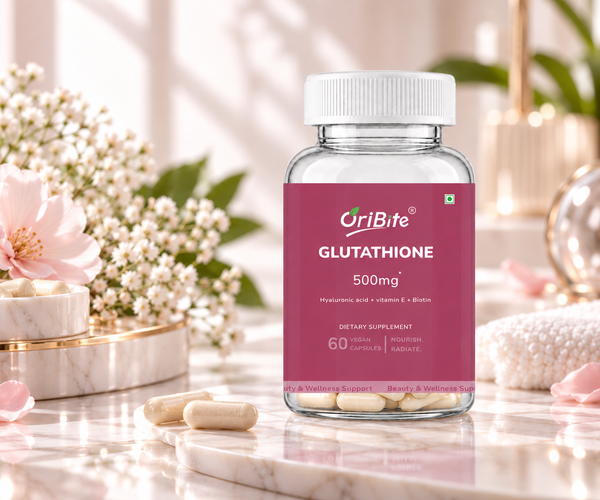
Explore Oribite Glutathione Capsules — a standardized oral formula for general antioxidant and pigmentation support, best discussed alongside your dermatologist's guidance for diagnosed conditions like melasma.
For general information only. Talk to your doctor before starting any supplement.