
Glutathione vs Niacinamide for Even Skin Tone
Glutathione vs Niacinamide for Even Skin Tone
Glutathione vs niacinamide is a common question for anyone comparing skin-tone ingredients — one is an oral antioxidant supplement, the other a topical vitamin with its own strong reputation. Here's how they actually differ, what the evidence supports for each, and whether you need to choose between them at all.
Quick Answer
- Glutathione: An oral antioxidant tripeptide, studied for systemic (whole-body) effects on melanin index via tyrosinase inhibition.
- Niacinamide: A form of vitamin B3, primarily used topically, with a large and well-established body of dermatological research for tone and pigmentation.
- Evidence strength: Niacinamide has more extensive, more directly applicable topical clinical research; glutathione's evidence is smaller in volume and comes from oral supplementation trials.
- Can you use both? Yes — they work through different delivery routes and aren't competing for the same job.
What Is Niacinamide?
The Basics
Niacinamide is a form of vitamin B3, widely used in topical skincare formulations — serums, moisturizers, and treatments — for a range of benefits including improved skin barrier function, reduced redness, and support for a more even skin tone.
Why It's So Well-Established
Niacinamide has been studied extensively in topical dermatological research, with a substantial body of clinical evidence supporting its role in reducing the appearance of hyperpigmentation and improving overall tone uniformity when applied directly to skin.
What Is Glutathione, in This Context?
A Different Kind of Ingredient
Glutathione is a tripeptide antioxidant, most commonly taken as an oral capsule for skin-tone purposes (though topical and IV forms also exist, with very different evidence and safety profiles). Its proposed mechanism centers on inhibiting tyrosinase and shifting melanin production toward a lighter pigment type.
How Its Evidence Differs From Niacinamide's
Glutathione's tone-related evidence comes primarily from randomized, placebo-controlled oral supplementation trials measuring overall facial melanin index — a systemic approach, rather than the direct, topical application research behind niacinamide.
Comparing the Evidence Directly
Volume and Maturity of Research
Niacinamide's topical research base is larger and more established within mainstream dermatology than glutathione's oral skin-tone research, which is smaller in scale and, for some of its strongest results, tied to combination formulas rather than a single ingredient tested alone.
Delivery Route Changes What's Being Measured
Topical research (niacinamide) measures localized changes at the site of application. Oral research (glutathione) measures systemic changes reflected in overall facial melanin index — these are related but genuinely different types of evidence, not directly interchangeable in strength or applicability.
Safety Profiles
Both ingredients have generally favorable safety profiles in their respective typical forms — topical niacinamide is well tolerated by most skin types, and oral glutathione has shown a favorable safety profile across the clinical trials reviewed for this comparison.
Should You Choose One, or Use Both?
Why This Isn't Really an Either/Or Decision
Because niacinamide works topically and glutathione (in this product's oral capsule form) works systemically, there's no inherent conflict in using both — they address tone through different routes rather than duplicating the same mechanism.
A Reasonable Layered Approach
Many people reasonably use a topical niacinamide serum as part of their skincare routine while also taking an oral glutathione supplement — approaching even tone from both the outside and the inside, rather than picking one over the other.
If You Have to Choose Just One
If budget or simplicity is a concern and you can only commit to one, niacinamide's larger, more established topical evidence base gives it a slight edge in terms of research maturity — though glutathione remains a reasonable choice for anyone specifically interested in an oral, systemic approach or its broader antioxidant benefits.
Frequently Asked Questions About Glutathione vs Niacinamide
Which is better for even skin tone, glutathione or niacinamide?
Niacinamide has a larger, more established topical research base; glutathione's evidence comes from oral supplementation trials measuring systemic melanin index. Neither is definitively "better" — they work through different routes.
Can I use glutathione and niacinamide together?
Yes — since one is typically oral (glutathione) and the other topical (niacinamide), there's no inherent conflict in combining them as part of a layered approach.
Is niacinamide as effective as glutathione for pigmentation?
They address pigmentation differently and aren't directly comparable in a single "more effective" ranking — niacinamide's evidence is stronger and more established for topical use specifically.
Does glutathione work as well as niacinamide?
Glutathione's evidence base is smaller and, for some results, combination-based, while niacinamide's topical research is more extensive — but they're addressing tone through genuinely different mechanisms and delivery routes.
Related Reading
- Glutathione Capsules for Skin Brightening: The Complete Guide (full pillar guide)
- Glutathione and Even Skin Tone: What to Expect
- Glutathione vs Vitamin C, Niacinamide, Alpha Arbutin & More: The Complete Comparison Guide
- Is Oral Glutathione Safe? What the Bioavailability Debate Means for You
Support Even Tone From the Inside
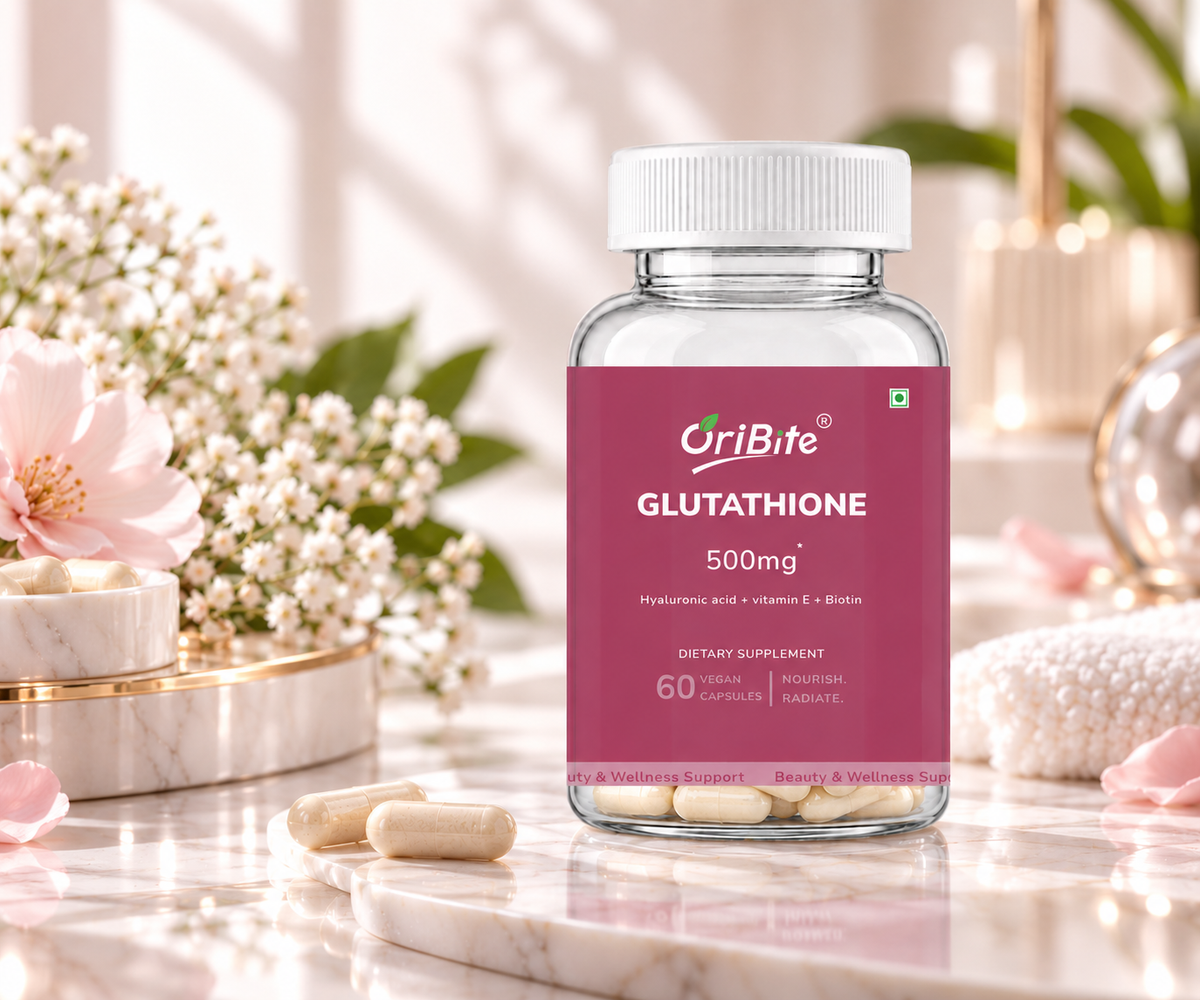
Explore Oribite Glutathione Capsules — a standardized oral formula that pairs well with your existing topical skincare routine.
For general information only. Talk to your doctor before starting any supplement.


