Glutathione vs Vitamin C, Niacinamide & More: Guide

Glutathione vs Vitamin C, Niacinamide, Alpha Arbutin & More: The Complete Comparison Guide
Glutathione isn't the only ingredient competing for a spot in your skin-brightening routine. This guide covers glutathione vs vitamin C for skin, plus how it stacks up against niacinamide, alpha arbutin, and tranexamic acid — and closes with the comparison that matters most for safety: oral vs IV glutathione.
Quick Answer
- Glutathione vs Vitamin C: Not competitors — they work together. Vitamin C regenerates oxidized glutathione, and several of the strongest clinical trials combined the two.
- Glutathione vs Niacinamide: Niacinamide has stronger topical clinical evidence for tone; glutathione's evidence is oral and systemic. Different delivery routes, often used together.
- Glutathione vs Alpha Arbutin: Alpha arbutin works topically via a different tyrosinase-inhibition pathway; glutathione works systemically from the inside.
- Glutathione vs Tranexamic Acid: Tranexamic acid has strong dedicated melasma research (oral and topical); glutathione's melasma-specific evidence is more limited and often combination-based.
-
Oral vs Topical vs IV: Oral and topical have reasonable safety profiles in the research. IV carries serious documented risks and regulatory warnings — this is the single most important comparison on this page.

Glutathione vs Vitamin C for Skin Brightening
Why This Isn't Really a "Versus" Comparison
Unlike most ingredient comparisons, glutathione and vitamin C aren't competing for the same job — they're biochemically linked. Vitamin C plays a direct, documented role in regenerating oxidized glutathione back to its active form, which is why several of the strongest clinical trials on glutathione and skin brightening specifically combined it with vitamin C rather than testing glutathione alone.
What Each Ingredient Contributes Independently
Vitamin C has its own separate, well-established research base for skin brightening and collagen support. Glutathione's skin-specific evidence is centered on tyrosinase inhibition and the eumelanin-to-pheomelanin shift. Together, they're more accurately described as synergistic than competing.
The Practical Takeaway
If you're taking glutathione for skin brightening, pairing it with adequate vitamin C — through diet or supplementation — is more consistent with the actual research than taking glutathione in isolation.
Glutathione vs Niacinamide for Even Tone
Different Evidence, Different Delivery Route
Niacinamide (vitamin B3) has a large, well-established body of human clinical evidence for improving the appearance of pigmentation and skin tone — but that evidence is almost entirely from topical use. Glutathione's tone-related evidence, by contrast, comes from oral supplementation and systemic melanin-index measurements.
Why This Makes Them Complementary, Not Competing
Because niacinamide's strongest evidence is topical and glutathione's is systemic, many people reasonably use topical niacinamide alongside oral glutathione — addressing tone from both the outside and the inside, rather than treating it as a choice between the two.
Glutathione vs Alpha Arbutin for Dark Spots
Two Different Tyrosinase-Inhibition Pathways
Alpha arbutin is a topical ingredient that inhibits tyrosinase directly at the skin's surface, with a solid body of dermatological research behind it. Glutathione is proposed to work through a related but systemic mechanism — inhibiting tyrosinase from within, after oral absorption, rather than applied directly to the skin.
Which Should You Choose?
Given the different delivery routes, this isn't necessarily an either/or choice. Alpha arbutin's topical, localized action may pair reasonably with glutathione's systemic, whole-body antioxidant and pigmentation-related activity, addressing dark spots through two different routes at once.
Glutathione vs Tranexamic Acid for Melasma
Tranexamic Acid's Dedicated Melasma Research
Tranexamic acid, available both topically and orally, has a substantial and specifically melasma-focused body of clinical research, making it one of the more established options for this particular, often stubborn form of hyperpigmentation.
Where Glutathione's Melasma Evidence Stands
Glutathione's melasma-relevant research is comparatively more limited and often combination-based (paired with L-cystine or vitamin C in the relevant trials), rather than having the same volume of dedicated, melasma-specific research as tranexamic acid.
A Reasonable Way to Think About This Comparison
For melasma specifically, tranexamic acid currently has the stronger dedicated evidence base. Glutathione may still play a supportive, complementary role given its broader antioxidant and pigmentation-related activity, but shouldn't be positioned as an equally-proven melasma-specific treatment.
Oral vs Topical vs IV Glutathione: Which Is Actually Safe and Effective?
Oral Glutathione
Taken as a capsule, oral glutathione has been tested in multiple randomized, placebo-controlled human trials, generally well tolerated, with the ongoing caveat that its bioavailability is a genuinely debated (though actively researched) question.
Topical Glutathione
Applied directly to the skin, topical glutathione delivers the compound to the surface rather than relying on digestive absorption. Research here is more limited in volume than oral research, but topical use is generally considered low-risk.
IV (Injectable) Glutathione: A Fundamentally Different Risk Category
This is the comparison that matters most. IV glutathione carries serious, well-documented safety risks — including toxic effects on the liver, kidneys, and nervous system, Stevens-Johnson syndrome, anaphylaxis, and, in cases of unauthorized or improperly administered treatment, reported fatalities. No health authority currently endorses IV glutathione for skin lightening; in the Philippines, it's approved only as an adjunct to cisplatin chemotherapy. If you want the full picture on this specific risk, it's covered in a dedicated safety warning elsewhere on this site — but the short version is: oral and topical glutathione are simply not comparable, safety-wise, to injectable use.
The Clear Recommendation
Between the three delivery methods, oral glutathione offers the best-documented combination of reasonable safety and genuine (if still-developing) clinical research support — which is exactly why this guide, and the product it supports, focuses on the oral capsule form.
Frequently Asked Questions About Glutathione Comparisons
Should I take glutathione or vitamin C for skin brightening?
Both — they work together biochemically, with vitamin C helping regenerate glutathione's active form, which is why they're so often combined in clinical research.
Is niacinamide better than glutathione for even skin tone?
They're not directly comparable — niacinamide's strongest evidence is topical, while glutathione's is systemic (oral). Many people use both together.
Is tranexamic acid better than glutathione for melasma?
For melasma specifically, tranexamic acid currently has stronger, more dedicated clinical research. Glutathione's melasma evidence is more limited and often combination-based.
Is IV glutathione more effective than oral glutathione?
No — and more importantly, IV glutathione carries serious documented safety risks that oral glutathione does not. Oral is the safer, better-supported choice for skin brightening.
Can I combine glutathione with alpha arbutin?
Reasonably, yes — they work through different delivery routes (topical vs systemic), so combining them addresses pigmentation from two different angles rather than duplicating the same mechanism.
Related Reading
- Glutathione Capsules for Skin Brightening: The Complete Guide (full pillar guide)
- Why IV Glutathione Injections Are Considered Risky: A Safety Warning
- Glutathione Ingredients & Formulation Explained
- How to Choose a High-Quality Glutathione Supplement
See How Glutathione Fits Your Routine
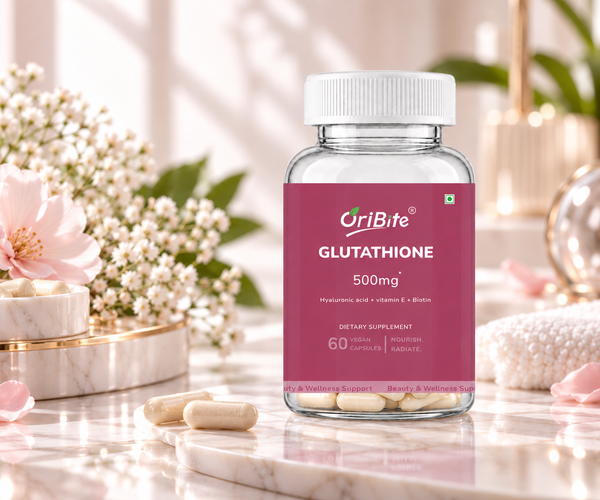
Explore Oribite Glutathione Capsules — a standardized, oral-only formula designed to complement, not compete with, the rest of your skin-brightening routine.
For general information only. Talk to your doctor before starting any supplement.