
Complete Scientific Guide to Biotin
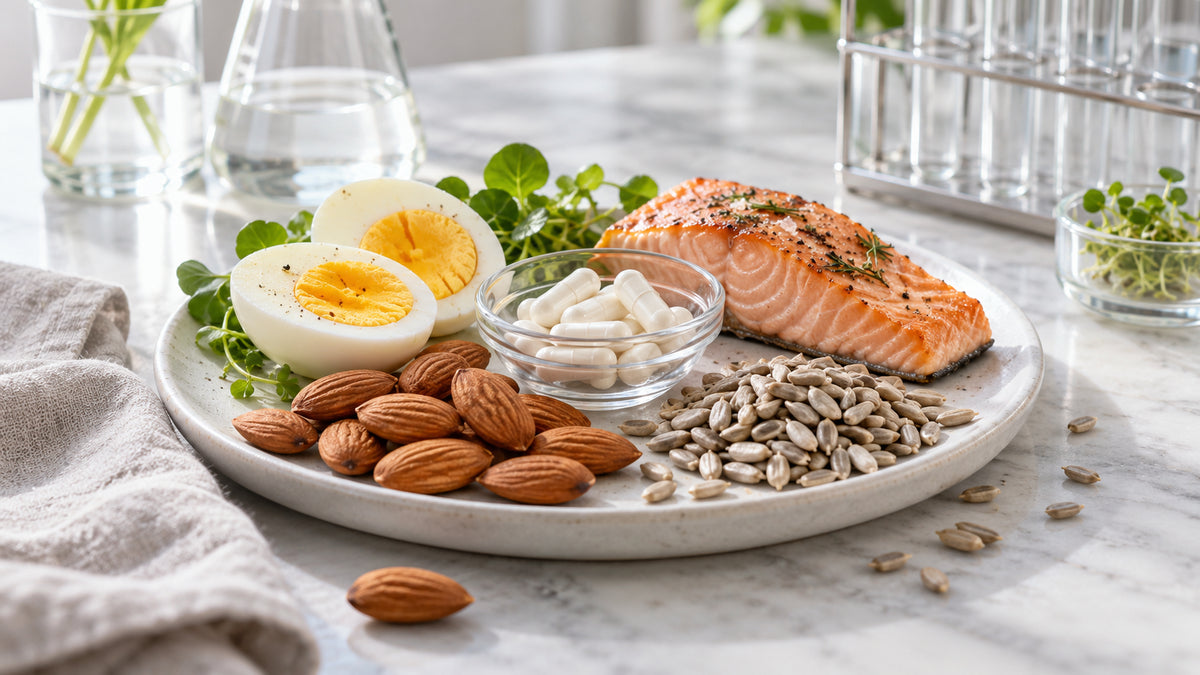
Complete Scientific Guide to Biotin: Evidence, Dosage and Safety
In this Complete Scientific Guide to Biotin, we separate fact from hype for one of the most popular and misunderstood supplements on the shelf. Walk into any pharmacy and you will find bottles promising thicker hair, stronger nails and glowing skin, often at doses hundreds of times higher than the body needs. Yet the same vitamin has also been linked to a U.S. FDA safety warning because it can quietly distort blood test results, including tests used to diagnose heart attacks.
So which claims are real, which are hype, and what should you actually do? This guide answers those questions using the primary literature, regulatory documents and clinical trials, and it tells you plainly where the evidence is strong, weak or missing. Whether you are a health-conscious reader, a clinician, a formulator or a researcher, you will find a structured, referenced walk through everything known about this B-vitamin, from its molecular structure to its safe use in daily life.
Here is the short version of what you will learn: biotin is essential, true deficiency is uncommon but real, supplements clearly help people who are deficient, and the case for taking large doses in people with normal status is far thinner than marketing suggests. Read on for the details, so you can make a decision based on evidence rather than packaging.
Executive Summary: Complete Scientific Guide to Biotin at a Glance
Biotin, also called vitamin B7 or vitamin B8 in some older systems, is a water-soluble B-vitamin that acts as a coenzyme for five human carboxylase enzymes. These enzymes sit at the center of fatty acid synthesis, gluconeogenesis and amino acid breakdown. Humans cannot make biotin in their own cells. We obtain it from food and, to a degree that is still debated, from gut bacteria.
Quick facts
| Item | Summary |
|---|---|
| Ingredient | Biotin (D-biotin), vitamin B7 |
| Type | Water-soluble vitamin, B-complex |
| Molecular formula | C10H16N2O3S (molar mass about 244.3 g/mol) |
| Adequate Intake (adults, U.S.) | 30 micrograms (mcg) per day [3] |
| Adequate Intake (adults, EU) | 40 mcg per day [4] |
| Rich food sources | Organ meats, egg yolk, fish, nuts, seeds, some vegetables |
| Established role | Cofactor for carboxylases; histone biotinylation; gene regulation |
| Strongest evidence | Correcting deficiency, including inherited biotinidase deficiency |
| Weak or inconclusive evidence | Hair, nails and skin in people who are not deficient; glycemic control |
| Tested and not confirmed | High-dose biotin for progressive multiple sclerosis (large phase 3 trial) [12] |
| Tolerable Upper Intake Level | Not established, because toxicity from the vitamin itself is rare |
| Key safety issue | Interference with many laboratory immunoassays, including troponin and thyroid tests [14, 15] |
Bottom line. If your diet is varied, you almost certainly meet your biotin needs. Supplementation is justified for diagnosed deficiency, certain inherited disorders and specific clinical situations under medical supervision. For cosmetic goals, the human evidence is limited, mostly low quality, and mostly from people with an underlying deficiency. Anyone who takes biotin, especially above roughly 1 mg per day, should tell their clinician and laboratory before any blood test.
What Is Biotin? Ingredient Definition and Identity
Biotin is an organic compound that every living cell needs, yet only plants, most bacteria, some fungi and certain algae can build from scratch. Animals, including humans, depend on dietary supply. In the body, biotin does not work alone. It is covalently attached to a small group of enzymes, where it serves as a "swinging arm" that carries a carboxyl group (CO2) from one molecule to another.
The compound goes by several names in the literature and on labels:
- D-biotin, the only stereoisomer with biological activity
- Vitamin B7, the modern numbering used on most supplement labels
- Vitamin H, a historical name from the German words for skin and hair (Haut und Haar)
- Coenzyme R, an early name from research on bacterial and yeast growth
Biotin is essential, which means the body cannot function normally without it, but the amount required is tiny. The U.S. Adequate Intake of 30 mcg per day is about one-thirty-thousandth of a gram. That is why true dietary deficiency is unusual in healthy people who eat a mixed diet.
Chemical Classification of Vitamin B7
Biotin belongs to the B-complex family of water-soluble vitamins, but its chemistry is distinctive. It is not a plant extract, so the usual botanical classification (genus, species, plant part) does not apply. In nutraceutical databases it is listed as a vitamin and, in chemical taxonomy, as a heterocyclic organosulfur compound.
Structural classification
- A bicyclic structure: a ureido (imidazolidone) ring fused with a tetrahydrothiophene ring
- A valeric acid side chain attached to the sulfur-containing ring, which is the part that links to enzymes
- Three stereocenters in the ring system, giving eight possible stereoisomers, of which only D-(+)-biotin (3aS,4S,6aR) is active
This ureido ring is the part that binds the carboxyl group during enzyme catalysis. The valeric acid tail forms an amide bond with a lysine residue on the enzyme, creating a flexible arm that is about 14 angstroms long. The sulfur atom contributes to the molecule's unusual ability to bind tightly to the proteins avidin and streptavidin, an interaction exploited in many laboratory tests (and the root of the interference problem discussed later).
Biochemical classification. Within enzymology, biotin is a prosthetic group for the biotin-dependent carboxylases, and by function a coenzyme involved in carbon dioxide transfer. Under the Enzyme Commission system, the associated enzymes are ligases or carboxylases that require ATP.
Origin, Dietary Sources and Production
Natural origin
Biotin is synthesized by bacteria, yeasts, molds, algae and plants through a multi-step pathway that starts with pimeloyl-ACP and ends with the insertion of sulfur by the enzyme biotin synthase [21]. Because these organisms make it, it accumulates in the foods we eat: in plant tissues, in the bodies of animals that eat plants, and in fermented products.
Cultivation and agricultural source
Biotin is not "cultivated" as a crop. Instead, it is obtained either from foods that naturally contain it or from industrial manufacturing. Soil quality, plant variety and animal feed influence the biotin content of foods, which is one reason published values vary considerably between studies.
Food sources
Comprehensive food composition data for biotin have historically been sparse, partly because older assays were unreliable. Newer HPLC-avidin binding methods have improved the picture [20]. The following foods are consistently reported as good contributors (approximate values per typical serving):
- Beef liver (cooked, about 3 oz): around 30 mcg, the richest common source
- Whole egg (cooked): roughly 10 mcg, concentrated in the yolk
- Salmon (cooked, 3 oz): about 5 mcg
- Pork and beef cuts: a few mcg per serving
- Sunflower seeds, almonds and peanuts: about 1.5 to 5 mcg per small handful
- Sweet potato (cooked, half a cup): about 2 to 3 mcg
- Avocado, spinach, mushrooms and bananas: small but meaningful amounts
- Yeast and yeast extracts: relatively high
Raw egg white caution. Raw egg white contains avidin, a protein that binds biotin with extraordinary strength and blocks its absorption. Cooking denatures avidin. Documented deficiency from eating many raw egg whites is the classic dietary cause of biotin deficiency [30].
Gut bacteria
Many intestinal bacteria synthesize biotin, and the human colon can absorb at least some of it through the same transporter that works in the small intestine [5]. How much this contributes to overall status is not settled. Fecal biotin excretion often exceeds dietary intake, which shows that bacteria produce it, but it does not prove that humans absorb enough of it to matter.
Commercial source
Supplement-grade biotin is overwhelmingly manufactured, either by chemical synthesis or by microbial fermentation. We cover this in the extraction and processing section below.
History and Traditional Use
The story of biotin begins with a puzzle. In 1927, Margarete Boas reported that rats fed large amounts of raw egg white developed a severe skin disease with hair loss, which she called "egg-white injury" [30]. Adding a heat-stable factor from liver or yeast prevented it. Meanwhile, microbiologists studying yeast growth were searching for a mysterious growth factor they called "bios."
The threads came together through a series of landmark steps:
- 1936: Fritz Kögl and Benno Tönnis isolated a crystalline growth factor from egg yolk and named it biotin [27].
- 1939 to 1940: Paul György and colleagues showed that the anti-egg-white-injury factor, "vitamin H," and biotin were the same substance [29].
- 1942: Vincent du Vigneaud's group worked out the chemical structure [28].
- 1943: The first laboratory synthesis was reported, and an efficient industrial synthesis followed later in that decade.
- 1970s to 1980s: Researchers described biotinidase deficiency, showed that tube-fed patients on biotin-free nutrition developed deficiency, and defined the carboxylase enzymes.
- 2000s onward: Biotin's roles in histone modification and gene regulation became a research focus [22].
Traditional use
Because biotin is a purified vitamin rather than a herbal remedy, it has no centuries-long "traditional medicine" record in the way botanicals do. What it does have is a traditional food-based history: livestock organ meats, eggs, yeast, and fermented foods have long been valued for strengthening hair, skin and nerves, which is consistent with what we now know about biotin-rich foods. The modern cosmetic reputation of biotin grew out of the "vitamin H" name and from observations of deficiency symptoms, then spread through marketing far beyond what the clinical data support.
Modern Nutraceutical Use
Today biotin is used in four overlapping ways.
1. Nutritional adequacy. Biotin appears in virtually every multivitamin, prenatal vitamin and B-complex product at doses between 30 and 300 mcg, comfortably covering the Adequate Intake.
2. Cosmetic and "beauty" supplements. This is the largest consumer category. Products labeled for hair, skin and nails commonly contain 2.5 to 10 mg (2,500 to 10,000 mcg) and sometimes more. These doses are 80 to over 300 times the Adequate Intake. Marketing claims often rest on small, uncontrolled studies or on extrapolation from deficiency [8].
3. Medical nutrition and clinical use. Doctors prescribe pharmacological doses (typically 5 to 20 mg per day) for biotinidase deficiency and related disorders, and for biotin-thiamine-responsive basal ganglia disease. Very high doses (up to 300 mg per day) were tested in progressive multiple sclerosis, with disappointing results in the largest trial [12].
4. Food fortification and animal nutrition. Biotin is added to infant formula, medical foods, some cereals and livestock feed. In poultry and swine, it supports hoof, feather and skin integrity, and that livestock research has influenced consumer thinking about hair and nails.
This wide spread of use is one reason a rigorous review matters. A claim that is strongly supported for a patient with biotinidase deficiency is not automatically true for a healthy adult who wants longer hair.
Chemical Composition and Properties
Identity and structure
- IUPAC name: 5-[(3aS,4S,6aR)-2-oxohexahydro-1H-thieno[3,4-d]imidazol-4-yl]pentanoic acid
- Molecular formula: C10H16N2O3S
- Molar mass: about 244.31 g/mol
- Appearance: white to off-white crystalline powder, odorless
- Melting point: approximately 230 to 233 °C, with decomposition
- Optical rotation: dextrorotatory, with a specific rotation of roughly +91° (in dilute alkali)
- Solubility: slightly soluble in water (on the order of 0.2 mg/mL at room temperature), more soluble in dilute alkali, poorly soluble in most organic solvents, nearly insoluble in non-polar solvents
Stability
Biotin is stable at neutral and mildly acidic pH, tolerates normal cooking heat, and is reasonably light stable. Strong acid or alkali at high temperature, strong oxidizers and prolonged exposure to some processing conditions can degrade it. The sulfur atom oxidizes readily to biotin sulfoxide and then biotin sulfone, which have no vitamin activity. Food processing losses are generally modest, although extensive milling of grains removes the outer layers where some biotin resides.
In foods
Biotin exists in two broad states: free biotin and protein-bound biotin (attached to lysine residues of enzymes). Plant and animal tissues contain mostly the bound form, which digestive enzymes (proteases and biotinidase) must release before absorption.
Key Active Compounds and Related Forms
Several related molecules are important to understand because they appear in physiology, supplements or laboratory analysis.
| Compound | What it is | Relevance |
|---|---|---|
| D-biotin (free biotin) | The vitamin itself | The form in nearly all supplements |
| Biocytin (biotinyl-lysine) | Biotin attached to lysine; produced during protein breakdown | Natural dietary form; substrate for biotinidase |
| Biotinyl-AMP | Activated intermediate (biotin plus AMP) | Made by holocarboxylase synthetase to attach biotin to enzymes |
| Holocarboxylases | Carboxylases with biotin attached | The functional enzyme forms |
| Bisnorbiotin and biotin sulfoxide | Main catabolites in urine | Markers of biotin catabolism, which accelerates in some people [18, 19] |
| L-biotin and other stereoisomers | Inactive isomers | Should be absent from quality supplements |
| Biotin esters and derivatives | Synthetic variants (for example biotin methyl ester) | Mostly research or cosmetic ingredients, not standard supplement forms |
| Desthiobiotin | A biotin analogue lacking sulfur | Laboratory tool and a biosynthetic relative |
The five human biotin-dependent carboxylases
- Acetyl-CoA carboxylase 1 (ACC1): cytosolic; first committed step of fatty acid synthesis
- Acetyl-CoA carboxylase 2 (ACC2): mitochondrial; regulates fatty acid oxidation
- Pyruvate carboxylase (PC): gluconeogenesis and anaplerosis of the citric acid cycle
- Propionyl-CoA carboxylase (PCC): breakdown of odd-chain fatty acids, certain amino acids and cholesterol side chains
- 3-Methylcrotonyl-CoA carboxylase (MCC): leucine catabolism
When MCC activity falls (as in biotin deficiency), a leucine breakdown product, 3-hydroxyisovaleric acid, accumulates in urine. This marker, along with reduced urinary biotin, is among the most reliable indicators of marginal status [17].
Extraction, Synthesis and Processing
Unlike botanical extracts, supplement biotin is not "extracted" from a plant. The industry uses three main routes, and understanding them helps with quality assessment.
1. Chemical synthesis
The dominant commercial route descends from the process developed in the late 1940s, which builds the bicyclic ring system from simple starting materials such as fumaric acid derivatives. Later industrial routes improved yields and stereocontrol. The central technical challenge is producing the correct cis-fused, D-configured ring system with minimal unwanted stereoisomers. After ring formation and side-chain elaboration, the product is crystallized, often several times, to reach pharmacopoeial purity.
2. Microbial fermentation
Companies and academic groups have developed fermentation processes using engineered bacterial strains that overproduce biotin precursors. These approaches appeal to manufacturers seeking "bio-based" or "natural-process" labeling. As of now, fermentation-derived biotin remains a smaller share of the market than synthetic biotin, but interest has grown.
3. Food- and yeast-based concentrates
Some "whole food" supplements use biotin-rich yeast or food concentrates. These supply modest, variable amounts of biotin and are poorly suited to precise high-dose products.
Downstream processing for supplements
After the pure crystalline vitamin is obtained, manufacturers typically:
- Mill and sieve the crystals to a defined particle size
- Blend as a trituration or premix, because biotin is used in very small quantities per tablet (for example, 30 mcg in a multivitamin is a trace amount, so it is first diluted with a carrier such as dicalcium phosphate or microcrystalline cellulose to ensure uniform dose)
- Compress, encapsulate, coat or formulate into gummies, liquids, powders or sublingual products
- Test each batch for identity, assay and contaminants
Why premixing matters. In low-dose products, poor blending can cause unit-to-unit variation. In a high-dose product, this problem is smaller because there is more active per unit.
Standardization and Potency
Because biotin is a single, well-defined chemical, standardization is simpler than for botanicals. There is no "marker compound" to chase; the active ingredient is the compound.
Pharmacopoeial standards. Major pharmacopoeias (USP, Ph. Eur. and others) publish monographs for biotin that specify identity, assay (commonly 97.5% to 102.5% on a dried basis), specific optical rotation, loss on drying, related substances and heavy metals. Finished dietary supplements are expected to meet label claims within accepted limits.
Labeling units. Biotin is labeled in micrograms (mcg or µg) and, for high doses, milligrams (mg). The U.S. Daily Value is 30 mcg, so a 10 mg capsule is more than 330% of a Daily Value, often printed as "33,333%." Always check whether a label uses mcg or mg, because a thousand-fold error in reading is easy.
Overages. Manufacturers sometimes add a small excess ("overage") to ensure the labeled amount remains at the end of shelf life. Biotin is stable, so overages are typically modest.
Analytical methods used for potency
- HPLC with UV or fluorescence detection: the workhorse for finished products
- LC-MS/MS: highest specificity; used for complex matrices and trace analysis
- Microbiological assay (for example with Lactobacillus plantarum): measures biologically available biotin in foods and premixes
-
Avidin-binding assays: used for food and biological samples [20]

Mechanisms of Action
Biotin works through at least three layers of biology.
1. Carboxylase cofactor (the classic role)
The best-established function is as the prosthetic group of the five carboxylases listed above. The mechanism involves two steps: the biotin carboxylase domain uses ATP to attach CO2 to the ureido ring (forming carboxybiotin), and the carboxyltransferase domain then transfers the CO2 to the substrate. The flexible biotinylated arm shuttles between the two active sites.
Metabolic consequences
- Fatty acid synthesis (ACC1): supplies malonyl-CoA, the building block of long-chain fatty acids. This matters for skin lipids, myelin and cell membranes.
- Glucose production (PC): supports gluconeogenesis, important during fasting.
- Amino acid and odd-chain fatty acid catabolism (MCC, PCC): prevents buildup of toxic organic acids.
2. Protein biotinylation and gene regulation
Biotin is also attached, at low levels, to histones, the proteins around which DNA is wrapped. Several lysine residues on histones H2A, H3 and H4 can be biotinylated, and this modification has been linked to gene silencing, DNA repair and cell proliferation [22, 26]. The evidence is mostly from cell and animal studies, and the physiological significance in humans is still being clarified.
3. Cell signaling and other effects
In cell and animal models, biotin influences cyclic GMP signaling, insulin and glucokinase gene expression, and the expression of genes involved in inflammation and immune function [1]. These effects often appear at concentrations beyond normal dietary exposure, so extrapolating them to healthy humans is premature.
The recycling system
Biotin is conserved by an efficient cycle. When biotinylated proteins are degraded, biotinidase cleaves biocytin, releasing free biotin for reuse. Holocarboxylase synthetase (HCS) then reattaches biotin to apoenzymes. Inherited defects in either enzyme cause biotin-responsive metabolic disorders (see special populations).
Why this matters for hair, skin and nails
Hair, nails and skin are fast-turnover tissues that rely heavily on lipid synthesis and keratin-forming proteins. Severe biotin deficiency disrupts these tissues, which explains the visible symptoms. The leap from "deficiency harms hair" to "extra biotin improves normal hair" is not supported by the mechanism or by good trials. If enzymes are already saturated with biotin, additional biotin has no obvious further catalytic role.
Pharmacokinetics
Absorption
Dietary protein-bound biotin is first freed by gut proteases and biotinidase. Free biotin is then absorbed in the small intestine, mainly through the sodium-dependent multivitamin transporter (SMVT, encoded by SLC5A6) [5]. This transporter is shared with pantothenic acid (vitamin B5) and lipoic acid, so very high doses of one can compete with the others in laboratory models.
Free biotin from supplements is absorbed rapidly and nearly completely. At higher doses, passive diffusion adds to carrier-mediated uptake [6].
Distribution
After absorption, biotin circulates mostly free, with a portion bound to serum proteins, including biotinidase. It is taken up by tissues through SMVT and, in some tissues, through monocarboxylate transporters. The liver, kidney and other metabolically active tissues hold the largest pools. Biotin crosses the placenta and enters breast milk.
Metabolism
Biotin is catabolized by beta-oxidation of the valeric acid side chain, producing bisnorbiotin and tetranorbiotin, and by oxidation of the sulfur atom, producing biotin sulfoxide. In healthy adults, a substantial share of urinary output is still intact biotin.
Certain conditions speed up catabolism, including long-term use of some anticonvulsants and smoking, a finding documented in controlled human studies [18, 19].
Excretion
The kidneys are the main route. When intake is high, a large fraction of an oral dose appears in urine as unchanged biotin within about a day. This efficient renal clearance is a major reason why toxicity from biotin itself is rare.
Key pharmacokinetic features (healthy adults)
| Parameter | Typical finding |
|---|---|
| Absorption of free biotin | High; near complete at nutritional doses |
| Time to peak blood level | Roughly 1 to 3 hours after an oral dose |
| Plasma half-life | Short (on the order of hours) |
| Main elimination | Renal, much of it as unchanged biotin |
| Blood levels after megadoses | Can reach hundreds to over a thousand ng/mL, far above normal [14, 15] |
Normal fasting serum biotin is typically in the low hundreds of picograms per milliliter to about 1 ng/mL. After a 5 to 10 mg dose, levels can be hundreds of times higher, which is exactly why laboratory assays are affected.
Bioavailability
Bioavailability describes how much of an ingested dose reaches circulation in active form.
Free versus food-bound biotin. Supplement biotin is free and therefore highly bioavailable. Food biotin is largely protein-bound, and the proportion absorbed varies with how efficiently proteases and biotinidase release it. Estimates suggest that bioavailability from a mixed diet is lower than from a supplement, though precise numbers are limited.
Factors that reduce availability
- Raw egg white (avidin): binds free biotin in the gut and can cause deficiency when eaten in large, regular amounts [30]
- Chronic alcohol use: impairs intestinal absorption of biotin
- Anticonvulsants (carbamazepine, phenytoin, primidone, phenobarbital): reduce absorption and increase catabolism [18]
- Smoking: accelerates biotin breakdown [19]
- Malabsorption and short bowel syndrome: impair uptake
- Biotinidase deficiency: prevents recycling of bound biotin
Factors that may support availability
- Taking biotin with food seems to cause no meaningful reduction in absorption
- Healthy gut function and adequate protein intake support release from food
Is there a "better" form? No credible human evidence shows that any marketed form (gummy, liquid, "methylated," sublingual, liposomal) outperforms standard D-biotin tablets or capsules in healthy people. Since standard biotin is already well absorbed, the claimed advantages are generally unproven.
Preclinical Evidence Summary
Cell and animal research gives mechanistic context but cannot, on its own, predict human benefit.
Deficiency models. Rats and mice fed biotin-deficient, avidin-containing diets develop hair loss, scaly dermatitis, growth retardation and neurological problems. Female mice with marginal deficiency produce offspring with a high rate of birth defects such as cleft palate and limb shortening, which prompted human studies on pregnancy [17].
Metabolic and glycemic studies. In diabetic rodent models, pharmacological biotin increased expression of glucokinase and improved glucose handling in some experiments, while reducing gluconeogenic gene expression. Effects in non-diabetic animals are smaller.
Lipid metabolism. Some rodent studies report lower triglycerides with high-dose biotin, but others report increased hepatic fat in deficient states. Results are inconsistent and highly dependent on dose, strain and diet.
Gene regulation and immunity. Biotin deficiency alters T-cell and cytokine profiles in rodents, and biotin affects histone marks in cell culture [22].
Neurological models. Biotin enhances myelin-related lipid synthesis in cultured cells, which was the rationale for testing it in demyelinating disease [24].
Toxicity studies. Animal studies show a very wide safety margin, with no major toxicity even at doses far above nutritional needs.
Limitations. Many preclinical doses far exceed realistic human intake, deficiency models are severe, and species differences in biotin handling exist. Preclinical findings should be considered hypothesis generating.
Biotin Benefits: Human Clinical Evidence
This section summarizes what controlled and observational human data show for each major claimed benefit. We separate evidence in deficient people from evidence in people with normal status, because the two are often confused.
Correcting deficiency and treating inherited disorders
Strong evidence. In symptomatic biotin deficiency, supplementation reverses clinical features within weeks to months. In biotinidase deficiency, an inherited disorder, lifelong oral biotin (commonly 5 to 20 mg per day) prevents neurological damage, hearing loss, skin disease and hair loss when started early, which is why many countries screen newborns for it [7]. Biotin also treats holocarboxylase synthetase deficiency and biotin-thiamine-responsive basal ganglia disease (alongside thiamine), where high doses can produce dramatic recovery.
Biotin for hair growth
This is the most popular use, and the evidence is the weakest relative to its popularity.
A 2017 review identified only 18 reported cases in the literature where biotin was used for hair disorders: children with uncombable hair syndrome and women with hair loss, many of whom had underlying biotin deficiency, biotinidase deficiency or related conditions [8]. Improvement was reported, but the data came from case reports and small series, not well-controlled trials. There is no robust randomized evidence that biotin increases hair growth or reduces shedding in healthy people with normal biotin status.
What the evidence supports: if you have hair loss due to true biotin deficiency, correcting the deficiency should help. What it does not support: taking megadoses to thicken normal hair. Many hair loss causes (genetic pattern loss, iron deficiency, thyroid disease, telogen effluvium, autoimmune alopecia) are unrelated to biotin, and a proper diagnosis matters more than a supplement.
Nails
Nails offer slightly better, though still limited, support. Small uncontrolled studies of people with brittle nails reported improvements in nail thickness and firmness after taking around 2.5 mg per day for several months [9, 10]. One scanning electron microscopy study found nail plate thickness increased by about a quarter. These studies were small, open-label and lacked placebo controls, so placebo effect and natural fluctuation cannot be excluded. Evidence quality is low, but the signal is more consistent here than for hair.
Skin
Severe deficiency causes a characteristic scaly, red rash around the eyes, nose and mouth. Treating this deficiency resolves it. There is no good evidence that biotin improves skin in people with adequate status, including for acne. Some reports even suggest high doses may aggravate acne in some individuals, though the mechanism and frequency remain unclear.
Blood sugar and diabetes
A large trial combined chromium picolinate and biotin in people with type 2 diabetes and reported improved glycemic measures in a subgroup with poor control [23]. Because two agents were given together and the trial had limitations, we cannot attribute the effect to biotin alone. Smaller trials of biotin alone gave mixed or modest results. Evidence is low to moderate in quality and insufficient to recommend biotin as a diabetes therapy.
Multiple sclerosis (high-dose biotin)
A pilot study and a French phase 3 trial (MS-SPI, 154 participants, 300 mg per day) suggested that a small percentage of people with progressive MS had sustained disability improvement [11, 24]. However, the larger international phase 3 trial (SPI2) did not meet its primary or key secondary endpoints [12], and a trial for visual loss after optic neuritis also failed its primary outcome [13]. Current conclusion: high-dose biotin is not an established MS treatment. Importantly, the extremely high doses used in these trials caused severe laboratory test interference.
Pregnancy and fetal development
Biotin requirements appear to rise in pregnancy. Studies using urinary markers found that a considerable proportion of pregnant women show signs of marginal biotin deficiency, even without symptoms [17]. Because severe deficiency is teratogenic in mice, researchers consider this a concern, but human evidence that marginal deficiency causes birth defects or that supplementation prevents them is lacking. Most prenatal vitamins contain biotin at or above the Adequate Intake.
Other areas
Studies in lipid disorders, neuropathy, thyroid disease, depression and sports performance are either preliminary, small or inconsistent. They do not currently support clinical recommendations.
Evidence Grading by Outcome: Biotin for Hair Growth, Nails and More
The table below gives a transparent summary. Grades reflect the quantity and quality of human data, not the strength of marketing claims.
| Outcome | Population | Evidence grade | Comment |
|---|---|---|---|
| Reversing overt biotin deficiency | Deficient individuals | Strong | Well documented; rapid response |
| Preventing harm in biotinidase deficiency | Infants and children | Strong | Standard of care; newborn screening [7] |
| Correcting marginal deficiency in pregnancy | Pregnant women | Moderate (observational) | Marginal deficiency common; clinical outcomes unproven [17] |
| Brittle nails | Adults with brittle nails | Low | Small, uncontrolled studies [9, 10] |
| Hair growth in people with true deficiency | Deficient individuals | Low to moderate | Mainly case reports [8] |
| Hair growth or thickness in healthy people | General population | Insufficient | No quality randomized trials |
| Skin appearance in healthy people | General population | Insufficient | No supportive trials |
| Glycemic control in type 2 diabetes | Adults with diabetes | Low | Mostly combined with chromium [23] |
| Progressive multiple sclerosis | Adults with MS | Moderate (negative overall) | Pilot positive; large phase 3 failed [11, 12] |
| Optic neuritis-related visual loss | Adults with MS | Moderate (negative) | Primary endpoint not met [13] |
How to read this table. "Strong" means consistent, clinically meaningful effects. "Low" means that early or poor-quality studies hint at benefit but cannot confirm it. "Insufficient" means no reliable evidence either way. Many consumers assume that "no evidence of effect" equals "proven to work." The right reading is: not proven.
Biotin Dosage Used in Studies
Dose matters enormously, because the doses used in research span more than four orders of magnitude.
| Purpose | Typical dose | Notes |
|---|---|---|
| Adequate Intake (adults, U.S.) | 30 mcg/day | Pregnancy 30 mcg; lactation 35 mcg [3] |
| Adequate Intake (adults, EU) | 40 mcg/day | [4] |
| Children's Adequate Intake | 8 to 25 mcg/day by age | Infants 5 to 6 mcg/day [3] |
| Multivitamin content | 30 to 300 mcg | Usually safe and non-interfering |
| Brittle nail studies | About 2.5 mg/day (2,500 mcg) | For several months [9, 10] |
| Hair and nail consumer products | 2.5 to 10 mg/day | Often unsupported by trials |
| Biotinidase deficiency treatment | 5 to 20 mg/day | Lifelong, supervised [7] |
| Progressive MS trials | 100 to 300 mg/day | Experimental; not recommended outside trials [11, 12, 24] |
Practical interpretation. For maintaining normal status, 30 to 100 mcg is plenty. For doses at or above 1 mg, there is no reliable evidence of added benefit in healthy people, but there is a documented risk of lab test interference. The UK Expert Group on Vitamins and Minerals suggested that supplementary intakes of up to about 0.9 mg per day are unlikely to cause harm [32], though this guidance concerns toxicity, not test interference or efficacy.
A note on 5 mg+ products. Many hair and nail supplements exceed 5 mg. If you choose to use one, treat it as a medication in terms of disclosure to your healthcare team.
Timing and Practical Use
Time of day. There is no evidence that biotin works better in the morning or evening. Choose a time you can keep consistent. Because it is water-soluble and cleared quickly, split dosing is unnecessary for most people.
With or without food. Biotin is absorbed well either way. Taking it with a meal may reduce stomach upset in the rare person who experiences it.
Duration. Hair and nails grow slowly. Nail studies assessed results after roughly 3 to 6 months [9, 10]. If you try biotin for a cosmetic reason, set a defined trial period (for example three to six months), measure a clear outcome and stop if nothing changes. Continuing indefinitely "just in case" increases cost and lab-interference risk without proven benefit.
Before blood tests: the most important timing rule.
- Tell your clinician and the laboratory that you take biotin, and at what dose, before any blood test.
- Many laboratories and clinicians advise stopping supplements containing more than about 1 mg of biotin before sampling. Commonly cited guidance suggests a gap of at least 8 hours for modest supplemental doses and 48 to 72 hours or longer for megadoses such as those used in MS [16]. Always follow the specific instructions of your laboratory and physician, since assay susceptibility varies.
- In an emergency (for example chest pain), tell the treating team immediately that you take biotin, because a falsely low troponin result could mislead diagnosis [15].
Stacking with other nutrients. Biotin is usually combined with other B-vitamins, zinc, iron, vitamin C and collagen in "beauty" formulas. Any benefit seen with such blends cannot be assigned to biotin alone.
Available Forms
| Form | Typical biotin content | Notes |
|---|---|---|
| Standard tablets and capsules | 30 mcg to 10 mg | Best-studied, lowest cost |
| Multivitamins and B-complex | 30 to 300 mcg | Appropriate for nutritional adequacy |
| Gummies | 1 to 10 mg (label) | Taste-friendly; assay accuracy can vary more than in tablets |
| Liquids and drops | Variable | Useful for people who cannot swallow pills |
| Sublingual or dissolvable tablets | Variable | No clear absorption advantage |
| Powders and "beauty" drink mixes | Variable | Often combined with collagen |
| Pharmaceutical high-dose capsules | 100 to 300 mg | Investigational for MS; prescribed doses for metabolic disease |
| Topical products (shampoos, serums) | Not quantified | Little evidence of meaningful absorption or benefit |
| Injectable biotin | Prescription only | Used clinically in specific cases |
| Fortified foods and infant formula | Small, regulated amounts | Support nutritional adequacy |
Choosing a form. For nutritional adequacy, a standard multivitamin is enough. For a diagnosed deficiency, follow your prescriber's recommendation. Marketing terms such as "maximum strength" or "clinical strength" do not indicate better evidence.
Biotin Side Effects and Safety
General safety profile
Biotin has a very good safety record. No Tolerable Upper Intake Level has been set by the U.S. Institute of Medicine or the European Food Safety Authority, because adverse effects from the vitamin itself are rare, even at high doses [3, 4]. Clinical trials using 100 to 300 mg per day for MS reported generally mild adverse events [11, 12].
Reported side effects (uncommon)
- Digestive upset, such as nausea or cramping
- Skin reactions, including rash and, in some reports, acne-like breakouts (the proposed explanation is that very high biotin may interfere with pantothenic acid uptake; this remains unproven)
- Increased urination or thirst reported in some anecdotal accounts
- Allergic reactions, which are rare
The major safety concern: laboratory test interference
This is the most clinically significant risk of biotin supplements, and it deserves careful attention.
How it happens. Many immunoassays (the automated tests that measure hormones, cardiac markers and other analytes) use a biotin-streptavidin binding step as a chemical "handle." High biotin in a blood sample competes with the biotinylated reagents. Depending on the test design, this can produce falsely low results (in sandwich assays) or falsely high results (in competitive assays) [14].
Which tests can be affected. Studies and regulatory reports describe interference with tests for:
- Troponin (a heart attack marker), with falsely low results
- Thyroid tests (TSH, free T4, free T3), which can mimic hyperthyroidism or Graves disease
- Reproductive and other hormones, including some tests for estradiol, testosterone, progesterone, LH, FSH and prolactin
- Parathyroid hormone, cortisol, vitamin D, ferritin, vitamin B12 and folate on some platforms
- Pregnancy (hCG) tests in some settings
A controlled study in healthy volunteers demonstrated that taking 10 mg of biotin per day produced clinically significant interference across multiple immunoassays [14].
Regulatory warnings. The FDA first issued a safety communication in 2017 and updated it in November 2019, noting continued adverse event reports, including a death associated with a falsely low troponin result [15]. The agency also published a list of troponin tests that had not yet addressed biotin interference, and it said that some supplements can contain up to 650 times the recommended daily intake. Because lists and manufacturer fixes change over time, check the FDA's current guidance.
What you can do
- Tell every clinician and laboratory about your biotin use.
- Ask whether the test method is susceptible and how long to pause the supplement.
- If a result does not fit your clinical picture, ask for a repeat test off biotin or on a different platform.
- Choose a supplement without megadoses unless you have a clear medical reason.
Who should be especially careful
People who may need cardiac or thyroid testing, those being investigated for hormone disorders, patients on long-term monitoring and anyone with an acute illness should avoid high-dose biotin or disclose it promptly.
Drug and Supplement Interactions
Drugs that lower biotin status
- Anticonvulsants (carbamazepine, phenytoin, phenobarbital, primidone): long-term use is associated with lower blood biotin and accelerated breakdown in controlled studies [18]. Do not self-supplement without consulting your neurologist, but discuss monitoring.
- Long-term antibiotic therapy: might alter gut-bacteria biotin production, though human data are limited.
- Valproate and some other drugs have been investigated, with less consistent evidence.
Lifestyle factors
- Chronic alcohol use reduces absorption.
- Smoking accelerates biotin catabolism [19].
Nutrient interactions
- Pantothenic acid (B5) and lipoic acid share the SMVT transporter with biotin. Very high doses of one may reduce uptake of another in laboratory settings. Clinical significance in humans remains uncertain.
- Raw egg white binds biotin and reduces availability [30].
Interactions with diagnostic tests
As covered above, biotin interacts with laboratory assays rather than with drugs in the pharmacological sense. This is the interaction that matters most in practice.
Medicines that biotin itself is unlikely to affect. There are no well-established, clinically significant pharmacodynamic interactions between biotin and commonly used drugs such as statins, blood pressure medications or oral contraceptives. If you take any prescription medicine, still review supplements with your pharmacist.
Special Populations
Pregnancy and breastfeeding. The Adequate Intake is 30 mcg per day in pregnancy and 35 mcg during lactation [3]. Marginal biotin deficiency appears common in pregnancy [17]. Standard prenatal vitamins cover this. High-dose supplements are not recommended without medical advice, and lab interference can complicate prenatal screening.
Infants and children. Needs are small (5 to 25 mcg per day by age). Infant formula contains biotin. Children with unexplained hair loss, skin rash, seizures or developmental delay should be evaluated for biotinidase deficiency rather than receiving supplements on suspicion alone [7].
Newborns with biotinidase deficiency. Early treatment with oral biotin prevents irreversible damage. This is the best illustration of why biotin is a medicine for certain patients rather than a mere cosmetic.
Older adults. Reduced intake, polypharmacy and gastrointestinal changes may affect status, but there is no strong evidence of widespread deficiency. Older adults are more likely to need cardiac testing, which raises the importance of disclosure.
People with kidney disease. Because biotin is renally cleared, very high doses may accumulate, and dialysis patients may have altered requirements. Discuss with a nephrologist.
People with diabetes. Biotin is sometimes marketed for blood sugar, but evidence is limited [23]. Do not replace prescribed therapy.
People with thyroid or autoimmune disease. High-dose biotin can mimic or mask thyroid abnormalities on some tests, which can lead to misdiagnosis. Pause supplementation as directed before thyroid testing.
People with multiple sclerosis. High-dose biotin is not an established treatment [12, 13]. If you have MS and are considering it, discuss with your neurologist, and tell all laboratories about your use.
Athletes and vegans. Standard diets typically meet needs. Vegans who avoid eggs may rely on nuts, seeds and fortified foods, and generally do not need extra biotin unless a clinician identifies a problem.
People with bariatric surgery or malabsorption. May need monitoring of multiple B-vitamins, including biotin.
Quality, Testing and Authentication
Supplement quality varies, so a few practical checks help.
What to look for
- Clear labeling in mcg or mg with the amount per serving and the percentage of Daily Value
- Third-party testing seals from independent programs such as USP Verified, NSF Certified or similar certifiers
- Batch or lot numbers and an expiry date
- cGMP manufacturing statements, ideally backed by an audited facility
- Transparent "other ingredients", with no unnecessary dyes or allergens if you are sensitive
How laboratories verify biotin
| Test | Purpose |
|---|---|
| Identity (HPLC retention time, IR spectroscopy) | Confirms the compound is D-biotin |
| Assay (HPLC-UV or LC-MS/MS) | Confirms label-claim potency |
| Specific optical rotation | Confirms correct stereochemistry |
| Related substances | Detects degradation products and isomers |
| Heavy metals (Pb, As, Cd, Hg) | Safety screening |
| Microbial limits | Total aerobic count, yeast, mold, pathogens |
| Dissolution or disintegration | Confirms the dosage form releases the vitamin |
| Residual solvents | Relevant to synthetic manufacturing |
Practical authentication tips for consumers
- Purchase from reputable pharmacies or the manufacturer's official store.
- Be suspicious of unrealistically cheap bottles or unusual packaging.
- Check whether a brand publishes certificates of analysis.
Adulteration and Contamination Risks
Because biotin is a simple, inexpensive compound, outright economic adulteration (replacing it with a cheaper substance) is less common than in botanical supplements. The more realistic quality risks are:
1. Label inaccuracy. Independent testing of dietary supplements across categories has repeatedly found some products with content above or below the label claim. For biotin, over-dosing on the label compared with actual content is more concerning than under-dosing, because unexpectedly high amounts raise lab-interference risk. Gummies and multi-ingredient "beauty" blends can have greater variability.
2. Cross-contamination and undeclared ingredients. Products made in shared facilities may contain traces of allergens (soy, milk, gluten, tree nuts). Hair-growth blends sometimes include herbal extracts or other actives that are not clearly declared.
3. Heavy metals and microbial contamination. Risk is mostly linked to excipients, botanical co-ingredients, collagen or marine components in blends, rather than to biotin itself.
4. Degradation. Poor storage (heat, moisture, light) may reduce potency in multi-ingredient formulas, although biotin is fairly stable.
5. Misleading marketing claims. The most common "adulteration" is not chemical but informational: unapproved disease claims, such as promises to reverse baldness, treat diabetes or cure MS. In several jurisdictions, such claims can make a product an unapproved drug.
Reducing your risk. Choose independently tested products, avoid proprietary blends that hide doses, and be skeptical of dramatic before-and-after claims.
Regulatory Overview
Regulation differs by country, and rules change, so treat the following as an orientation and confirm current requirements with the relevant authority.
United States
- Biotin supplements are regulated under the Dietary Supplement Health and Education Act (DSHEA) as dietary supplements, not drugs. Manufacturers do not need FDA approval before marketing, but must follow current good manufacturing practices and may not make disease-treatment claims.
- The Daily Value is 30 mcg. Structure-function claims (for example "supports healthy hair, skin and nails") are allowed with a disclaimer, but must be truthful.
- The FDA has issued safety communications about biotin interference with laboratory tests, in 2017 with an update in 2019 [15].
- No Tolerable Upper Intake Level is established [3].
European Union
- EFSA set an Adequate Intake of 40 mcg per day for adults [4].
- Authorized health claims allow statements that biotin contributes to normal energy-yielding metabolism, normal functioning of the nervous system, normal psychological function, and the maintenance of normal hair, skin and mucous membranes, provided a product contains a meaningful amount [31]. Note that these claims are about normal function, not about improving it beyond baseline.
- Member states may set their own maximum levels for supplements.
United Kingdom
- The Expert Group on Vitamins and Minerals provided a guidance level of about 0.9 mg per day for supplemental intake, as a level unlikely to cause harm [32].
India
- The Indian Council of Medical Research and National Institute of Nutrition publish recommended intakes for Indians, including biotin [25].
- Supplements fall under the Food Safety and Standards Authority of India (FSSAI) framework for health supplements and nutraceuticals, with approved ingredient lists, permitted levels and labeling rules [33]. Products making therapeutic claims or containing pharmacological doses may fall under drug regulations. Check the current notifications before formulating or marketing.
Other jurisdictions
- Australia, Canada and other regulators treat biotin as a complementary medicine or natural health product, with approved claims and dose limits. Some regulators have taken steps to warn consumers and professionals about laboratory test interference.
For brands and formulators. Keep claims within what the evidence and local regulations allow, label doses clearly, and include a plain-language statement advising consumers to tell their clinician about biotin use before laboratory testing.
Research Gaps
Despite decades of study, important questions remain.
- Well-designed trials in healthy people. Large, randomized, placebo-controlled trials of biotin for hair, skin and nails in people with measured, normal biotin status are missing.
- Reliable status markers. Blood biotin is a poor indicator of tissue status, and urinary 3-hydroxyisovaleric acid is not routinely available. A practical, standardized clinical test would help.
- True prevalence of marginal deficiency. We do not know how common it is across populations, life stages (including pregnancy) and conditions such as bariatric surgery or inflammatory bowel disease.
- Dose-response and optimal intake. The Adequate Intake is based on limited data, and different agencies set different values (30 mcg versus 40 mcg).
- Gut microbiome contribution. The extent to which bacterial biotin supports human status is unresolved.
- Long-term safety of megadoses. Beyond lab interference, long-term data in healthy people at multi-milligram doses are limited, including effects on pantothenic acid status and skin.
- Epigenetic effects. The physiological relevance of histone biotinylation in humans is uncertain [22].
- Real-world interference burden. Better data are needed on how often interference leads to misdiagnosis and how to standardize pre-test washout periods.
- Disease applications. After mixed MS results, researchers still need to clarify whether any subgroup benefits, and which biotin-responsive rare diseases deserve further study.
Frequently Asked Questions
What is biotin and what does it do?
Biotin (vitamin B7) is a water-soluble B-vitamin that helps enzymes process fats, carbohydrates and proteins. It also takes part in gene regulation through histone modification.
How much biotin do I need each day?
The U.S. Adequate Intake for adults is 30 mcg per day, with 30 mcg in pregnancy and 35 mcg while breastfeeding [3]. The EU sets 40 mcg for adults [4]. Most people reach this through food.
Does biotin really help hair grow?
It helps when hair loss comes from true biotin deficiency. For people with normal biotin status, there is no strong evidence that supplements boost hair growth [8]. If you are losing hair, a clinician can look for causes such as iron deficiency, thyroid disease or hormonal factors.
Can biotin strengthen brittle nails?
Small, uncontrolled studies suggest improvement in some people taking about 2.5 mg per day over several months [9, 10]. The evidence is low quality, so results are not guaranteed.
Is it possible to get too much biotin?
The vitamin itself has low toxicity, and no upper limit has been set [3, 4]. The real risk is distortion of laboratory tests when intake is high.
What are the most common biotin side effects?
They are uncommon. Reports include mild stomach upset, skin reactions and occasional acne-like breakouts. Allergic reactions are rare.
How does biotin interfere with blood tests?
Many assays use a biotin-streptavidin link. Excess biotin in the sample can disrupt that link and give falsely high or falsely low results, including for troponin and thyroid hormones [14, 15].
How long before a blood test should I stop biotin?
It depends on your dose and the test. Commonly cited guidance ranges from at least 8 hours for modest doses to 48 to 72 hours or longer for megadoses [16]. Ask your laboratory or doctor for specific instructions.
Which foods are highest in biotin?
Beef liver, egg yolk, salmon, nuts, seeds, sweet potato and some other vegetables. Eating raw egg whites regularly can block absorption because of avidin.
Is biotin safe during pregnancy?
Standard amounts in prenatal vitamins are considered safe. Marginal deficiency may be common in pregnancy [17]. Avoid high-dose supplements unless your obstetric provider recommends them.
Can I take biotin with other medications?
Biotin has no major known drug interactions, but anticonvulsants can lower biotin levels [18], and biotin can distort test results. Share your supplement list with your pharmacist and physician.
Does biotin treat multiple sclerosis?
Not at this time. A pilot study was encouraging, but the large SPI2 phase 3 trial did not meet its main goals [12].
Are gummies as good as tablets?
Biotin is well absorbed in all common forms. Gummies are convenient but may have more dose variation, so choose products with third-party testing.
Do I need a biotin supplement if I eat a balanced diet?
Most people do not. Supplements make sense for diagnosed deficiency, inherited disorders or when a clinician recommends them.
Your Next Step: Use Biotin Wisely
You have now worked through the Complete Scientific Guide to Biotin, from its chemistry and history to the strongest and weakest evidence. The practical takeaways are simple:
- Check your diet first. Eggs (cooked), fish, nuts, seeds and sweet potatoes usually cover your needs.
- Treat deficiency, don't guess. If you have unexplained hair loss, rash, brittle nails or neurological symptoms, ask your clinician whether testing for deficiency is appropriate.
- Be realistic about biotin for hair growth. Without deficiency, expect little from supplements.
- Protect your lab results. Always disclose biotin before blood tests.
- Choose quality. Pick independently tested products with clear labeling.
Ready to act? Review your current supplement labels today, note any biotin dose above 1 mg, and book a conversation with your doctor or pharmacist before your next blood test. Share this guide with someone who is taking "hair, skin and nails" supplements, since the lab-interference risk is often overlooked.
Medical disclaimer: This article is for educational purposes and is not a substitute for professional medical advice, diagnosis or treatment. Consult a qualified healthcare provider before starting or stopping any supplement, particularly if you are pregnant, have a medical condition, take medicines or are scheduled for laboratory testing.
Scientific References
- Zempleni J, Wijeratne SSK, Hassan YI. Biotin. BioFactors. 2009;35(1):36-46.
- Mock DM. Biotin: from nutrition to therapeutics. J Nutr. 2017;147(8):1487-1492.
- Institute of Medicine. Dietary Reference Intakes for Thiamin, Riboflavin, Niacin, Vitamin B6, Folate, Vitamin B12, Pantothenic Acid, Biotin, and Choline. Washington, DC: National Academies Press; 1998.
- EFSA Panel on Dietetic Products, Nutrition and Allergies (NDA). Scientific opinion on dietary reference values for biotin. EFSA Journal. 2014;12(2):3580.
- Said HM. Cell and molecular aspects of human intestinal biotin absorption. J Nutr. 2009;139(1):158-162.
- Zempleni J, Mock DM. Bioavailability of biotin given orally to humans in pharmacologic doses. Am J Clin Nutr. 1999;69(3):504-508.
- Wolf B. Biotinidase deficiency: "if you have to have an inherited metabolic disease, this is the one to have." Genet Med. 2012;14(6):565-575.
- Patel DP, Swink SM, Castelo-Soccio L. A review of the use of biotin for hair loss. Skin Appendage Disord. 2017;3(3):166-169.
- Colombo VE, Gerber F, Bronhofer M, Floersheim GL. Treatment of brittle fingernails and onychoschizia with biotin: scanning electron microscopy. J Am Acad Dermatol. 1990;23(6 Pt 1):1127-1132.
- Hochman LG, Scher RK, Meyerson MS. Brittle nails: response to daily biotin supplementation. Cutis. 1993;51(4):303-305.
- Tourbah A, Lebrun-Frenay C, Edan G, et al. MD1003 (high-dose biotin) for the treatment of progressive multiple sclerosis: a randomised, double-blind, placebo-controlled study. Mult Scler. 2016;22(13):1719-1731.
- Cree BAC, Cutter G, Wolinsky JS, et al. Safety and efficacy of MD1003 (high-dose biotin) in patients with progressive multiple sclerosis (SPI2): a randomised, double-blind, placebo-controlled, phase 3 trial. Lancet Neurol. 2020;19(12):988-997.
- Tourbah A, Gout O, Vighetto A, et al. MD1003 (high-dose biotin) for the treatment of chronic visual loss related to optic neuritis in multiple sclerosis: a randomized, double-blind, placebo-controlled study. CNS Drugs. 2018;32(7):661-672.
- Li D, Radulescu A, Shrestha RT, et al. Association of biotin ingestion with performance of hormone and nonhormone immunoassays in healthy adults. JAMA. 2017;318(12):1150-1160.
- U.S. Food and Drug Administration. The FDA warns that biotin may interfere with lab tests: FDA safety communication (issued November 28, 2017; updated November 5, 2019).
- Li D, Ferguson A, Cervinski MA, Lynch KL, Kyle PB. AACC guidance document on biotin interference in laboratory tests. J Appl Lab Med. 2020;5(3):575-587.
- Mock DM, Quirk JG, Mock NI. Marginal biotin deficiency during normal pregnancy. Am J Clin Nutr. 2002;75(2):295-299.
- Mock DM, Dyken ME. Biotin catabolism is accelerated in adults receiving long-term therapy with anticonvulsants. Neurology. 1997;49(5):1444-1447.
- Sealey WM, Teague AM, Stratton SL, Mock DM. Smoking accelerates biotin catabolism in women. Am J Clin Nutr. 2004;80(4):932-935.
- Staggs CG, Sealey WM, McCabe BJ, Teague AM, Mock DM. Determination of the biotin content of select foods using accurate and sensitive HPLC/avidin binding. J Food Compos Anal. 2004;17(6):767-776.
- Sirithanakorn C, Cronan JE. Biotin, a universal and essential cofactor: synthesis, ligation and regulation. FEMS Microbiol Rev. 2021;45(4):fuab003.
- Kuroishi T, Rios-Avila L, Pestinger V, Wijeratne SS, Zempleni J. Biotinylation is a natural, albeit rare, modification of human histones. Mol Genet Metab. 2011;104(4):537-545.
- Albarracin CA, Fuqua BC, Evans JL, Goldfine ID. Chromium picolinate and biotin combination improves glucose metabolism in treated, uncontrolled overweight to obese patients with type 2 diabetes. Diabetes Metab Res Rev. 2008;24(1):41-51.
- Sedel F, Papeix C, Bellanger A, et al. High doses of biotin in chronic progressive multiple sclerosis: a pilot study. Mult Scler Relat Disord. 2015;4(2):159-169.
- Indian Council of Medical Research, National Institute of Nutrition. Nutrient Requirements for Indians: Recommended Dietary Allowances and Estimated Average Requirements. Hyderabad: ICMR-NIN; 2020.
- Zempleni J, Teixeira DC, Kuroishi T, Cordonier EL, Baier S. Biotin requirements for DNA damage prevention. Mutat Res. 2012;733(1-2):58-60.
- Kögl F, Tönnis B. Über das Bios-Problem: Darstellung von krystallisiertem Biotin aus Eigelb. Hoppe-Seylers Z Physiol Chem. 1936;242:43-73.
- du Vigneaud V, Melville DB, Folkers K, et al. The structure of biotin: a study of desthiobiotin. Science. 1942;96(2498):455-457.
- György P, Melville DB, Burk D, du Vigneaud V. The possible identity of vitamin H with biotin and coenzyme R. Science. 1940;91(2358):243-245.
- Boas MA. The effect of desiccation upon the nutritive properties of egg-white. Biochem J. 1927;21(3):712-724.
- European Commission. Regulation (EU) No 432/2012 establishing a list of permitted health claims made on foods, other than those referring to the reduction of disease risk and to children's development and health.
- Expert Group on Vitamins and Minerals (UK). Safe Upper Levels for Vitamins and Minerals. London: Food Standards Agency; 2003.
- Food Safety and Standards Authority of India. Food Safety and Standards (Health Supplements, Nutraceuticals, Food for Special Dietary Use, Food for Special Medical Purpose, Functional Food and Novel Food) Regulations, 2022.
Note for editors: verify every reference, DOI and regulatory statement against the primary source before publication, and add the current FDA safety communication link.
For general information only. Talk to your doctor before starting any supplement.


