Ayurvedic Joint Herbs: Fenugreek, Turmeric, and Ashwagandha Combination
A morning that starts with stiff fingers, a knee that complains on the stairs, or a back that tightens after exercise can make anyone search for gentler options. Many people turn to Ayurvedic joint herbs, and one blend appears again and again: fenugreek, turmeric, and ashwagandha. Each herb has a long history in traditional Indian medicine, and modern labs have started to study them. This guide explains what each herb is, what the evidence actually shows, how to use them carefully, and how to choose a quality herbal supplement.
Quick answer: Turmeric has the most research for joint symptoms, ashwagandha has the most evidence for stress, and fenugreek has the least. No trial has proven that the three-herb combination works better than the herbs taken alone.
Key Takeaways on Ayurvedic Joint Herbs
- Turmeric (curcumin) has the strongest human evidence for joint discomfort, though results are mixed.
- Ashwagandha may help with stress and sleep, which can influence how pain feels.
- Fenugreek has traditional use but limited high-quality joint research.
- The combination has not been well tested in large, independent trials.
- Interactions and liver concerns make medical advice important before starting.
Quick Facts: The Three Herbs Compared
| Feature | Fenugreek | Turmeric | Ashwagandha |
|---|---|---|---|
| Scientific name | Trigonella foenum-graecum | Curcuma longa | Withania somnifera |
| Part used | Seeds | Root (rhizome) | Root |
| Key compounds | Saponins, fiber, alkaloids | Curcumin | Withanolides |
| Traditional use | Digestion, vitality | Inflammation, healing | Stress, strength |
| Joint evidence | Limited | Moderate, mixed | Limited |
| Main caution | Blood sugar, bleeding | Bleeding, gallbladder | Liver, thyroid |
What Is the Fenugreek, Turmeric, and Ashwagandha Combination?
In Ayurveda, herbs are rarely used in isolation. Practitioners often blend them so that each plays a different role. Modern supplement makers have borrowed this idea and sell capsules that contain all three.
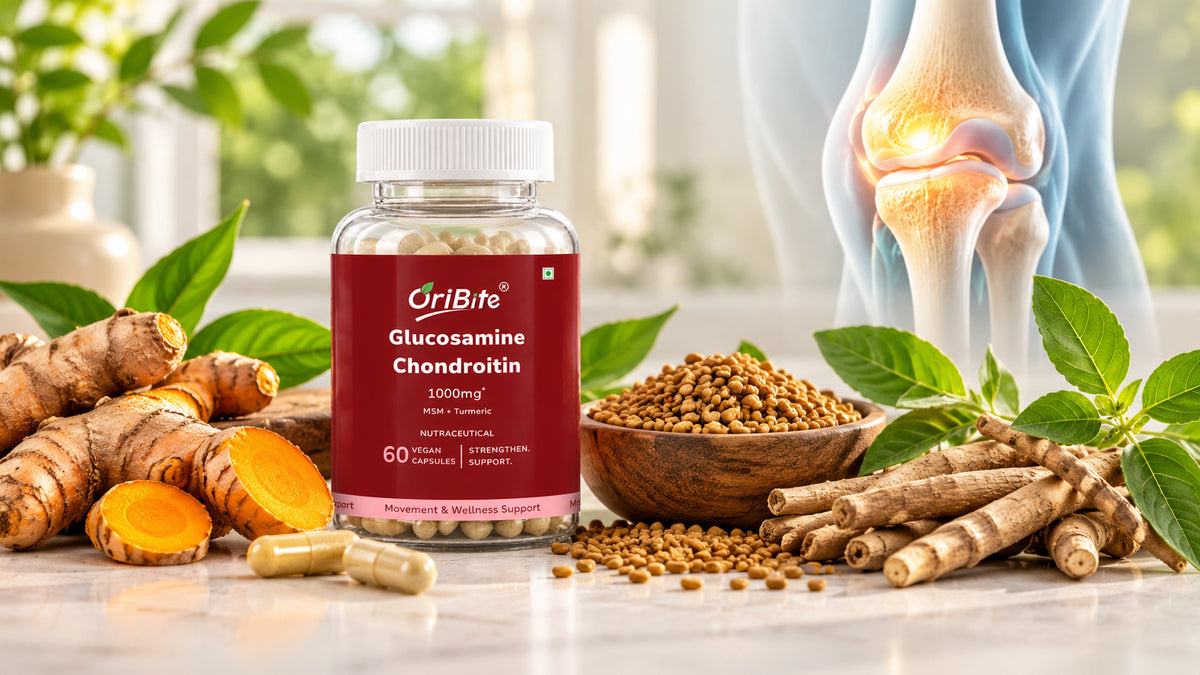
Fenugreek is a small seed used as a spice and traditional remedy. Turmeric is the golden root behind curry’s color, and its main compound, curcumin, is widely studied. Ashwagandha is an adaptogenic root traditionally taken to build resilience to stress.
Compared with single-herb products, a combination offers convenience and a broader traditional rationale. The tradeoff is that each herb may be present in a smaller dose, and you cannot easily tell which ingredient is causing a benefit or a side effect.
How Do Ayurvedic Joint Herbs Work?
Curcumin and Inflammation
Curcumin appears to influence several inflammatory pathways in lab studies. A major limitation is that plain curcumin is poorly absorbed, which is why many products add black pepper extract (piperine) or use specialized formulations.
Fenugreek Compounds
Fenugreek contains saponins, flavonoids, and soluble fiber. Early studies suggest possible antioxidant and anti-inflammatory activity, but much of the work comes from cells and animals rather than people.
Ashwagandha and the Stress Response
Ashwagandha may lower cortisol and perceived stress in some adults. Because stress can heighten pain perception and muscle tension, easing it may make everyday aches feel more manageable.
How the Herbs May Complement Each Other
Traditional thinking pairs an inflammation-focused herb (turmeric), a metabolic and digestive herb (fenugreek), and a stress-focused herb (ashwagandha). That idea is appealing, but it is a hypothesis rather than a proven effect.
What Research Can and Cannot Confirm
Science can support some individual actions of each herb. It cannot yet confirm that the three work synergistically in human joints.
Potential Benefits for Joint Health
Everyday Comfort and Mobility
People take these herbs hoping for greater comfort, easier movement, and less stiffness. Some studies of turmeric extracts report modest pain relief in knee osteoarthritis, sometimes comparable to common pain relievers, though study quality varies.
Fenugreek
Small trials using fenugreek extracts have reported improvements in knee discomfort in some participants. These studies were limited in size and duration, so the findings are preliminary.
Ashwagandha
Evidence is strongest for stress and sleep. Any effect on joints is likely indirect, through lower stress and better recovery, rather than direct cartilage repair.
Age-Related Stiffness and Osteoarthritis
Some older adults report feeling better with turmeric-based products. However, no herb has been shown to reverse osteoarthritis. Treat these supplements as possible supportive options, not cures.
Benefits Needing More Research
Whether the trio reduces exercise-related soreness, improves flexibility, or protects cartilage over time still needs well-designed trials.
Scientific Evidence for Fenugreek, Turmeric, and Ashwagandha
Turmeric and Curcumin
Several randomized trials and reviews report that curcumin may reduce pain and improve function in knee osteoarthritis. Reviews often note small samples, varied formulations, and risk of bias, so confidence is moderate at best.
Fenugreek
The research base is thin. A few small human studies exist, with many more in animals and cell models.
Ashwagandha
The National Center for Complementary and Integrative Health reports some evidence for stress and sleep benefits but not enough for most other conditions. Human joint-pain trials are small and sometimes used multi-herb formulas.
Human vs Laboratory Research
Cell and animal results are a starting point only. Many promising findings fail to hold up in human trials.
Is There Evidence for All Three Together?
Not at a level that supports firm claims. Some commercial formulas have been tested, but often in small, short, or manufacturer-funded studies.
Evaluating Evidence Quality
Look for randomized, placebo-controlled, independent trials with enough participants and a clear dose. Be cautious about reviews funded by supplement companies.
What Health Professionals Say
Clinicians often view these herbs as low-priority options. They may be reasonable for some people, but they should not replace exercise, weight management, physiotherapy, or prescribed treatment.
Dosage and How to Use the Herbal Combination
Is There an Established Dose for the Combination?
No official dose exists for the three-herb blend. Doses in studies vary widely, so follow the product label and your healthcare provider’s advice.
Individual Herb Guidance (From Studies)
- Fenugreek: Studies often used seed extracts of several hundred milligrams daily; food amounts are smaller.
- Turmeric/curcumin: Trials commonly used about 500 to 1,500 mg of curcumin extract per day, often with enhanced absorption.
- Ashwagandha: Stress studies often used roughly 250 to 600 mg of standardized root extract daily.
These are study ranges, not recommendations for you.
Whole Herbs, Extracts, and Standardized Products
A teaspoon of turmeric powder contains far less curcumin than a standardized extract capsule. Standardized products list the percentage of active compounds, which makes comparisons easier.
Together or Separately?
Combination capsules are simpler. Separate products let you adjust or stop one herb if you have a reaction. Starting one at a time can help you identify any problem.
Timing and Expected Results
Taking supplements with food may reduce stomach upset. Most studies lasted several weeks to a few months, so benefits, if any, tend to appear gradually.
Why Individual Advice Matters
Your medications, health conditions, and age all affect what is appropriate. A pharmacist or doctor can tailor the advice.
Safety Considerations
General Safety
Used in food amounts, all three herbs are generally considered safe. Concentrated supplements are a different matter, since they deliver far higher doses.
Quality, Labels, and Contamination
Herbal products can vary in strength and may contain contaminants such as heavy metals, or even undeclared fillers. Check labels for extract type, standardization, and the amount of each herb.
Why Professional Guidance Matters
Combining several active herbs makes it harder to predict effects, especially if you take prescription medicines.
Long-Term Use
Long-term safety data are limited, particularly for ashwagandha and for high-dose curcumin. Reassess your use periodically with a clinician.
Side Effects of the Herbal Combination
- Fenugreek: gas, bloating, diarrhea, and a maple-syrup odor in sweat or urine; allergic reactions are possible.
- Turmeric and curcumin: nausea, stomach upset, and, rarely, liver problems linked to high-dose or highly bioavailable products.
-
Ashwagandha: drowsiness, digestive upset, and rare cases of liver injury.

Serious Risks and What to Do
Stop the supplement and seek medical attention if you notice yellowing of the skin or eyes, dark urine, severe abdominal pain, unusual bleeding, or signs of an allergic reaction such as swelling or trouble breathing.
Drug Interactions
- Fenugreek and diabetes drugs: may lower blood sugar further.
- Fenugreek and blood thinners: may increase bleeding risk.
- Turmeric and anticoagulants or antiplatelets: may increase bruising and bleeding.
- Ashwagandha and thyroid medicines: may add to thyroid hormone effects.
- Ashwagandha and sedatives or immunosuppressants: may increase drowsiness or oppose immune-suppressing drugs.
- Blood pressure and diabetes medications: ashwagandha and fenugreek may further lower blood pressure or glucose.
The three herbs may also overlap in effects, such as lowering blood sugar or affecting bleeding, so combining them can increase risk. Bring a complete list of your medications and supplements to your pharmacist or doctor before you start.
Who Should Avoid This Herbal Combination?
Speak to a doctor first, or avoid it, if you:
- Are pregnant or breastfeeding.
- Have liver disorders.
- Have thyroid conditions.
- Have diabetes or blood sugar problems.
- Have a bleeding disorder or are preparing for surgery.
- Have an autoimmune condition.
- Take prescription medication.
Buying Guide for Fenugreek, Turmeric, and Ashwagandha Supplements
Combination vs Single-Herb Products
Single herbs offer precise dosing and flexibility. Combinations are convenient but may under-dose individual ingredients.
What to Check for Each Herb
- Turmeric: a stated curcuminoid percentage and an absorption strategy, with clear information on any added piperine.
- Fenugreek: the extract type and amount, not just “seed powder.”
- Ashwagandha: root extract with a stated withanolide percentage.
Testing and Transparency
Look for third-party seals from USP, NSF International, or ConsumerLab, and avoid proprietary blends that hide ingredient amounts.
Avoid Unsupported Claims
Be wary of phrases like “cures arthritis,” “rebuilds cartilage,” or “better than medication.”
Price, Serving Size, and Questions to Ask
Compare cost per serving and ingredient doses. Ask: Is it independently tested? Are exact amounts listed? Does it suit my medications and health conditions?
Which Herbal Supplement Should You Compare?
Instead of ranking specific brands, whose formulas and quality change over time, build a shortlist with these criteria:
- Best overall combination: clearly labeled doses of all three herbs and third-party testing.
- Best turmeric option: standardized curcumin with a stated absorption method.
- Best fenugreek option: a transparent seed extract.
- Best ashwagandha option: a standardized root extract.
- Best budget option: a simple, tested product without unnecessary additives.
- Best for transparency: full ingredient disclosure with no proprietary blends.
Compare products on ingredients, serving size, testing, and price before you buy.
Frequently Asked Questions
Can fenugreek, turmeric, and ashwagandha be taken together?
Many people do, but there is limited research on the combination, and interactions are possible. Ask a healthcare professional first.
Are these herbs good for joint health?
Turmeric has the most supportive evidence; the others have less.
Can the combination help with joint pain and stiffness?
It might help some people, but proof is limited.
Is there evidence for all three together?
Not strong, independent evidence.
What dose is recommended?
No official dose exists. Follow the label and professional advice.
How long until it works?
Several weeks to a few months in most studies.
Can I take them every day?
Short-term daily use is common in studies. Check with a clinician for long-term use.
Any side effects?
Digestive upset is most common. Rare liver and allergic reactions can occur.
Can they be taken with arthritis medication?
Only with medical approval, because interactions are possible.
Is it suitable for older adults?
Older adults often take more medications, so professional review is especially important.
Can they replace conventional treatment?
No. Never stop prescribed treatment without medical advice.
What should I look for when buying?
Standardized extracts, clear doses, and third-party testing.
Take the Next Step Toward Comfortable Movement
Ayurvedic joint herbs can be an interesting addition to a broader plan that includes movement, sleep, nutrition, and medical care. Start by choosing quality-tested products, reviewing your medications, and discussing your plans with a qualified healthcare professional. Compare ingredients carefully today, and choose what matches your needs rather than the loudest marketing claim.
This article is for general information and is not medical advice.
References
- National Center for Complementary and Integrative Health: turmeric, fenugreek, and ashwagandha fact sheets.
- NIH Office of Dietary Supplements: ashwagandha fact sheet.
- NIH LiverTox entries on turmeric and ashwagandha.
- Systematic reviews and randomized trials on curcumin for knee osteoarthritis.
- Published studies on fenugreek extracts for knee discomfort.
- Arthritis and osteoarthritis guidelines from major rheumatology organizations.
Related Articles
- Turmeric and Curcumin for Joint Health
- Ashwagandha: Uses, Benefits, and Safety
- Fenugreek: Traditional Uses and Potential Benefits
- Natural Approaches to Supporting Joint Mobility
- Supplements for Osteoarthritis: What Does the Evidence Say?